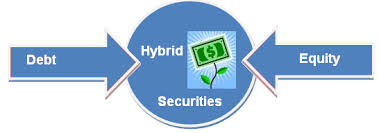
 As the name suggests, the convertible bonds and convertible preferred (or convertibles, in short) are securities that offer the holder the option of converting them into or exchanging with a predetermined number of common shares in the issuing company. They are hybrid securities that demonstrated the features of both equity and bond. Convertibles are issued by a company (also referred to as borrower) when a lower interest rate or dividend is desired and the issuer is willing to suffer the potential dilution of the investor converting the hybrid into common equity of the issuing company. Also, refer my article Equity: Common Stock, Preferred Stock and Convertible Preferred here.
Historically, the interest rates or dividend rates on convertibles have been lower than that of a similar non-convertible debt. The investor funds the company with the believe that the value of the underlying stock, into which the debt will convert, will grow over a period of time to an amount that exceeds a market rate of return for the instrument. In other words, the investor receives the potential upside of the conversion into common equity while protecting the downside with cash flow from the interest payments and the return of principal amount at maturity. However, if the stock delivers an under performance, the conversion does not make sense and the investor is stuck with a sub-par bond rate.
 Gargfinanceblog